

Growing on Etsy for Beginners
Starting out on Etsy tends to come with a mixture of both excitement and nerves of the unknown. Even if you are a previous buyer on the site, owning a shop in your own right is a big leap! If you’ve began creating items, and are looking to see how you can grow on Etsy, then this is the post you need to read! So grab a cuppa and let’s dive in.
If you’d rather skip all the jargon, then scroll down to the bottom of this page. You’ll find a neatly constructed bullet list on 10 things to do if you want to grow on Etsy.
Think Like a Search Engine
(Because Etsy is One)
When it comes to uploading your items to Etsy, or any market place, it is essential that what you see – is what you get. This doesn’t matter if it’s a physical product like a vintage item, a beautifully knitted blanket or a digital file.
When using Etsy as a customer, you use it in the same way that you would as a buyer, but from the opposite angle. For example, if you name your item a popular keyword, such as ‘gift for her‘ this is a highly saturated area, meaning that the area is already full of these ‘sort’ of items. As a customer, it’s unlikely you’ll ever google that type of phrase and instead you’d be more likely to use ‘gift for sister in law‘ or ‘best friend mug‘. A customer is always more specific. Instead of using phrases you see throughout Etsy on other listings, think outside the box and use phrases you know work, as a customer.
Pick a Niche — Don’t Be a General Store
If you have twenty different product types in your shop, it’d be like going at advertising war with yourself. Yes, you can have a shop and sell 20 different things, many do, but at the same time when you’re first starting out – why make the experience more difficult for yourself?
Instead it can be best to focus on one item that you can research keywords for and have one main drive (for example, knitted goods or stationery).
Think of it as owning an actual store, a physical building, where you have a small space to show off your items. Spend time on one area, and then you can always add more or open an additional store.
Make Your Shop Look Like a Brand, Not a Random Seller.
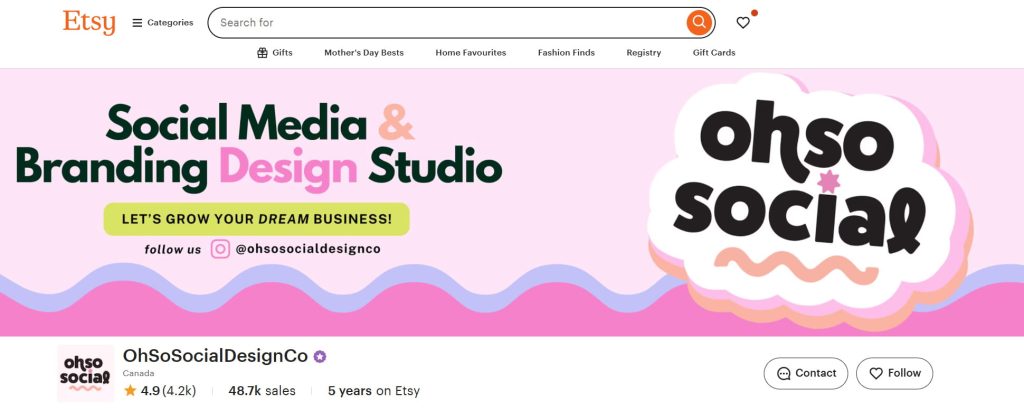
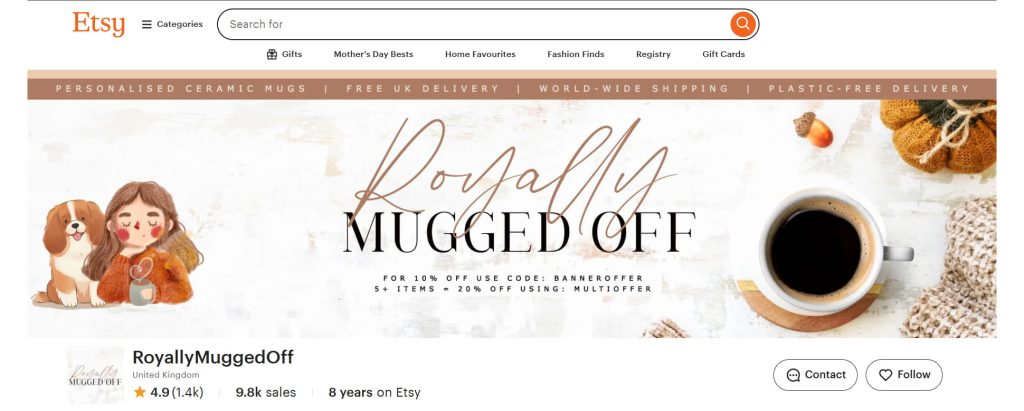
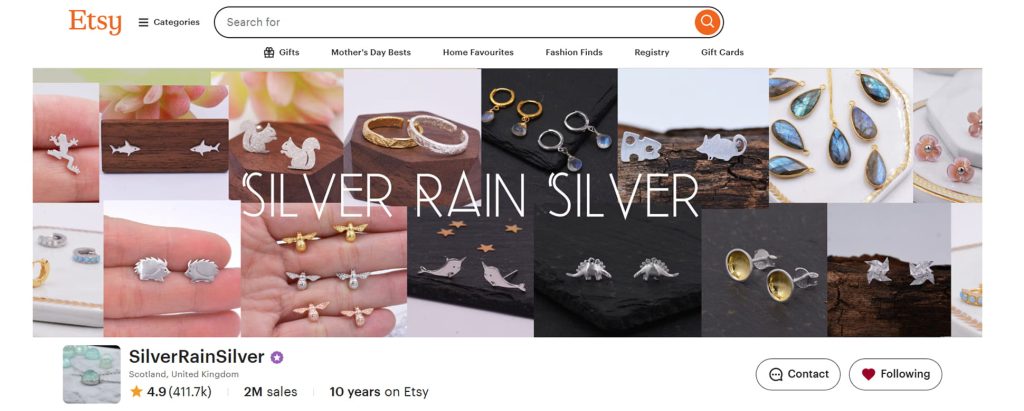
This doesn’t require having a degree in Photoshop or graphic design. All you need is to go with what feels and looks right. Growing on Etsy is all about growing your own brand, not opening a new (but much-loved) Vinted account.
Have a look at some of the shops screenshot below, compare their brand contact in comparison to if you had no brand content.
Optimise Your Shop Home Page
Your main shop front is your shop window to the world. When you first start with Etsy you are given the basic shop front, a home in dire need of redecorating. To begin with, don’t let things get too complicated. You can create everything you need in free graphic programs, like Canva. Ideally your shop home page should display the following:
- a logo (this features on the front of your store. It is also visible when customers message and/or purchase from you.
- a header image (this is the big image at the very top. It typically should contain your shop name and images of your products.
- clear, understanding, section names (for example, ‘cooking books, DIY books, computing books’ or ‘knitted blankets, knitted clothing, knitted toys’.
- High quality images of your stock. Again, these don’t to come from the highests spec camera – these days there are plenty of filters and high-quality abilities in your average smart phone that’ll allow your stock to shine. YouTube is your friend for these kinds of requests!
- a bold, reguarly-updated, shop announcement. This features next to your logo and is typically one of the first things buyers spot – as most shops include exclusive offers and updates in this section.
Suggested Read: 5 Common Etsy Seller Mistakes (and how to avoid them!)
Encourage Favourites (They Matter More Than You Think)
When someone is logging into Etsy they have the ability to ‘favourite’ any of the items that are on display. This then allows the items to be put aside for them to either purchase at a later date or for them to be recieve a notication if it goes on sale. Additionally, if someone ‘favourites’ (also know as ‘follows’) your shop, then they’ll be notified when you upload a new item. Bonus!
So, why are favourites a good thing? Well, besides knowing that your item is liked by many, it also works in favour of the item recieving a boost by Etsy. Whilst it doesn’t always result in immediate sales, having someone favourite your item that then features within their ‘favourite’ section, is technically free advertising. Note: Some people choose to have their ‘favourites’ private, which obviously prevents this, but many don’t.
Additionally, it is known within Etsy for both buyers and sellers alike that by ‘liking’ an item it can sometimes activate a discount code. This only happens if the both seller has chosen for it to happen and the seller has not turned off the opportunities to receive them.
Send ‘thank you’ coupons automatically
One of the great things with after sales on Etsy is that you have the opportunity to automatically send ‘thank you’ coupons to those who purchase from your store. The down side, is that not everyone will recieve them, just because of how their own settings/notifications are set.
So, why you should send thank you coupons automatically?
- Coupons expire one year after a purchase takes place. This allows the customer plenty of time to browse what you have to offer whenever they fancy.
- It reminds the customer of their purchase. Especially if it is scheduled by Etsy to appear in the inbox a few days after purchase/delivery.
- It makes customers feel appreciated. We’re all customers of somewhere. When you get coupons there is a higher chance of your making an additional purchase.
Use Etsy Ads Strategically
Instinctively, when first starting to use Etsy ads it can feel as though you want to put in the right amount and advertise all your goods – but here we’re going to explain why this isn’t the best idea.
How much should you spend on Etsy ADs?
Without meaning to sound generic, this completely depends on a few things:
- how long you’ve been running your store. New stores receive a natural boost, however you’ll want to figure out what items are popular by themself and what ones need the advertising support)
- what your items are priced at (don’t spend more than what you’ll earn)
- If you have used Etsy ads in the past.
Build an Off-Etsy Audience Too
Building an off-site audience can be beneficial, no matter what it is you sell. Building that audience can be through a variety of social media platforms. So, it might be best to choose one or two to begin with and go from there. What platform you choose depends on both your market/niche and your experience with that platform. Some examples include:
- Instagram (any business type that relies on visual appeal, lifestyle branding, or local engagement to attract customers)
- Tiktok (beauty/skincare, home decor/organisation, fashion accessories)1
- Facebook (local services, e-commerce retail, restaurants, and health/beauty)2
- X (digital products/courses, niche consulting and affiliate marketing) 3
- Threads (B2B, writers) 4
- YouTube (educational, entertaining, or behind-the-scenes video content)
The Price is Right… Profit Margins!
When deciding to sell your creations, it can be easy to think that it cost less than it has. You may begin to think that it’s not too bad to only charge the minimum. But this is where your drive is needed. Hitting your profit margin is the difference between a hobby and a business. In fact, even in a hobby you want to do more than breakeven, or worse, a loss.
If you’re looking to plan out your profit margins (which is one of the first things you should do) then we recommend combining all your business costs asap – ensure that you are at least not making a loss. Next, have a look through this article by Shopify. Here, they go through types of businesses, types of profit margins and how you should calculate it.
Analyse, Don’t Guess
One of the most important things I learned when first starting my Etsy store, was to make content for buyers not myself. It’s a difficult one, because when it comes to creating items to sell, your starting point is typically things you’ve already made and enjoyed – instead of things you know that sell well. It’s only natural to want to make (or continue) to make things in this manner. However, this isn’t what makes sales.
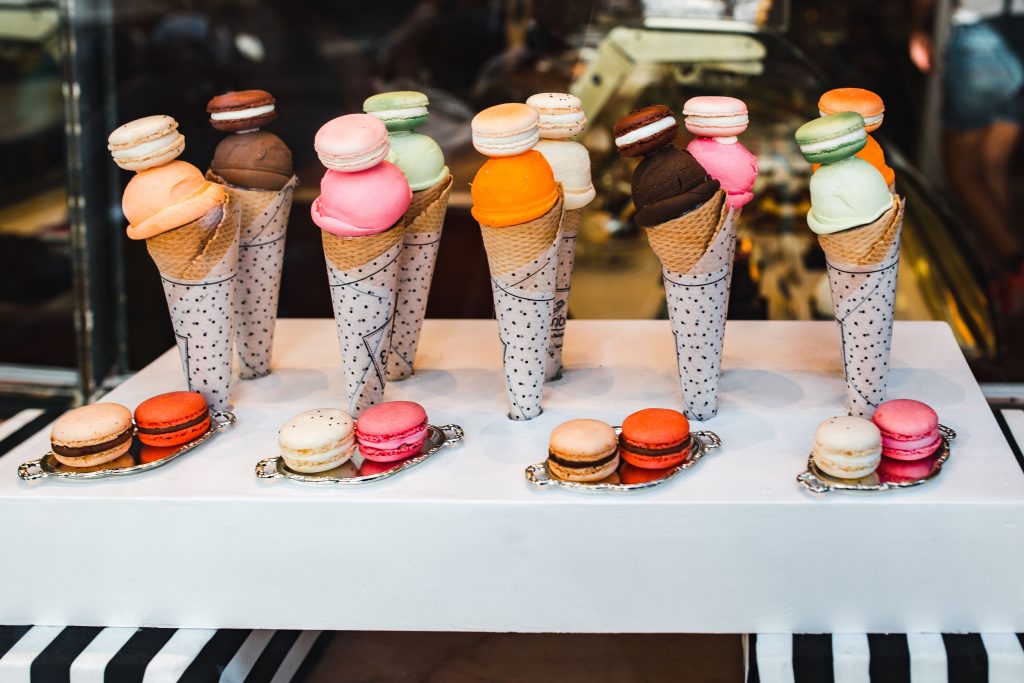
Making sales is about providing a service or good to someone else. So, just because you like highland cows and lollipops – it doesn’t mean you’ll sell out of merch featuring it all just because it’s something you like. If you think about it, an ice cream shop doesn’t just sell one flavour that the owner loves..
So, how do you go about finding things that sell well? It’s easier than you think! Read our next post on it here: How to Find What Items Sell Best on Etsy
What things would you recommend, as an Etsy seller? Let us know!
Data: